Cholito
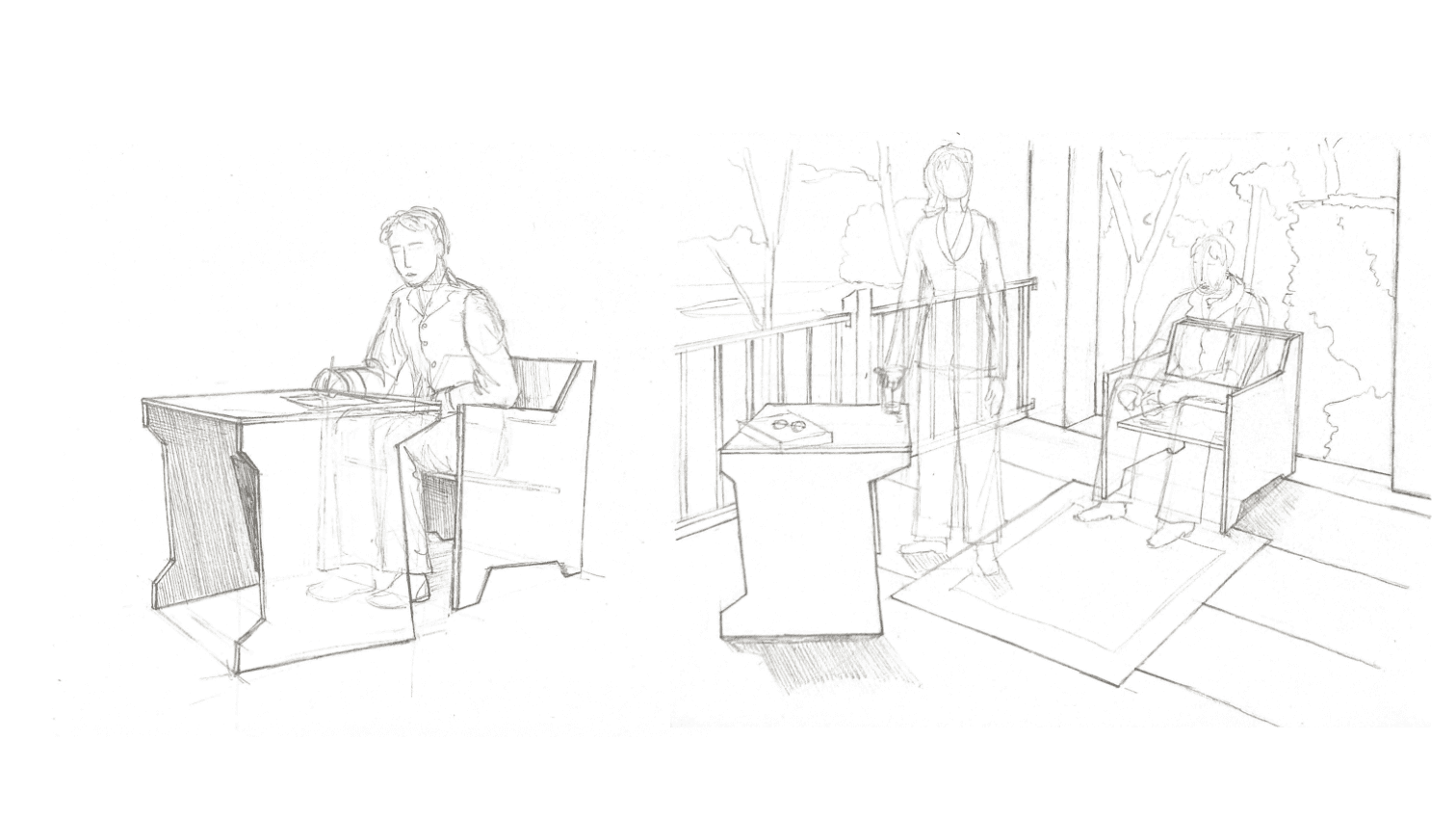
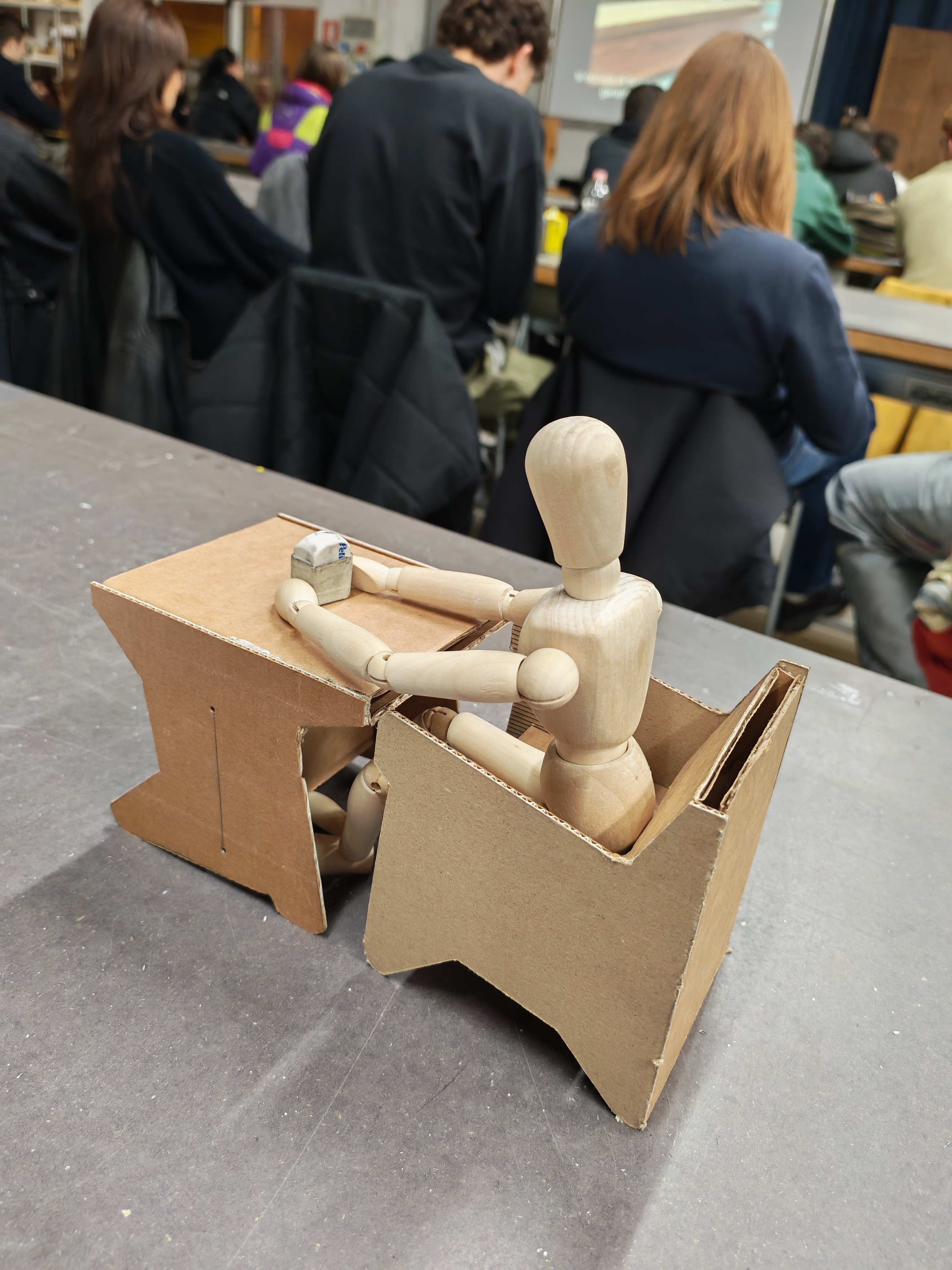
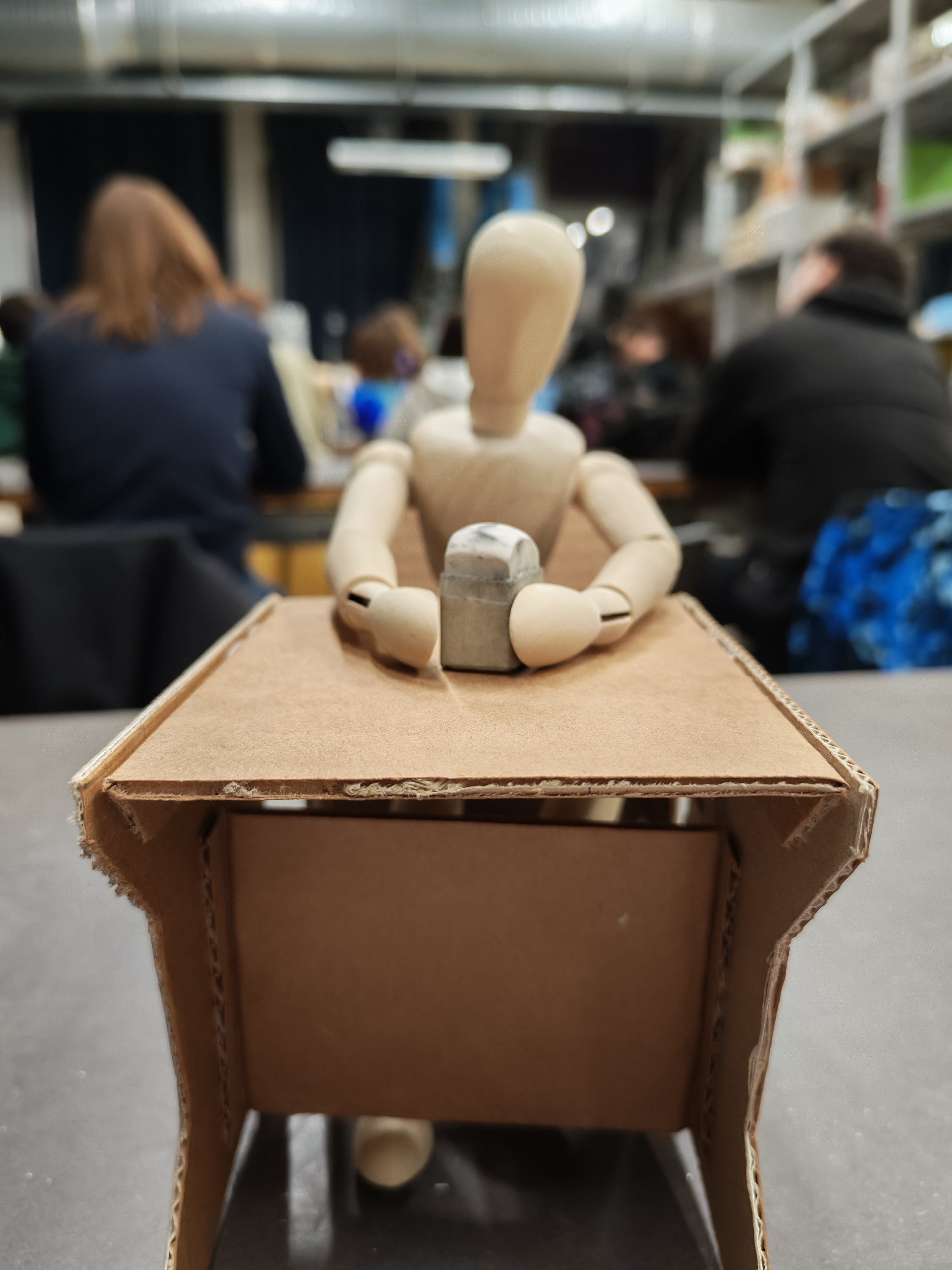
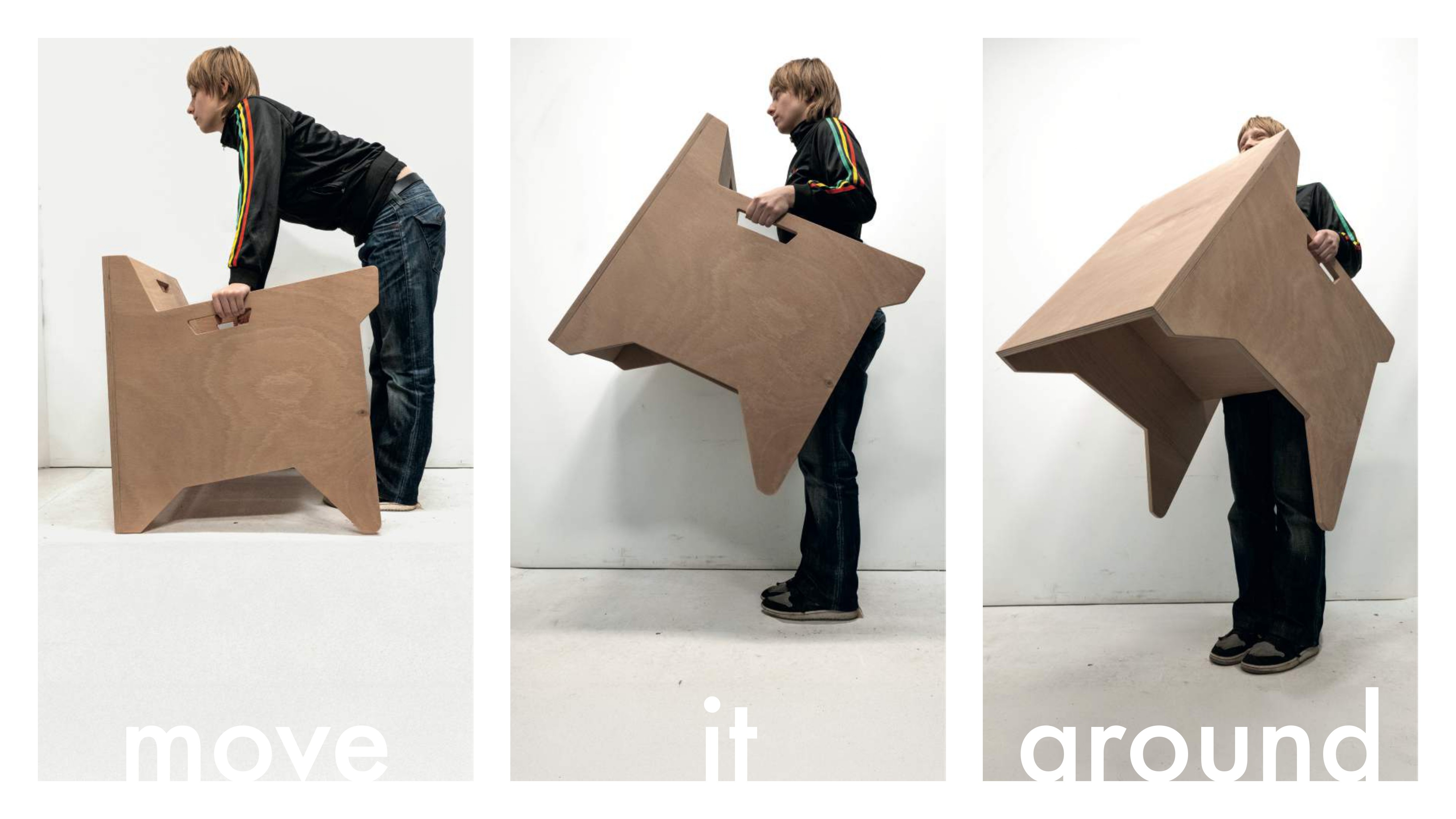
Cholito is a multifunctional outdoor piece of furniture. lt can be used both as a wide and comfortable chair and as a table. The transformation from one shape to another occurs simply by flipping the object.
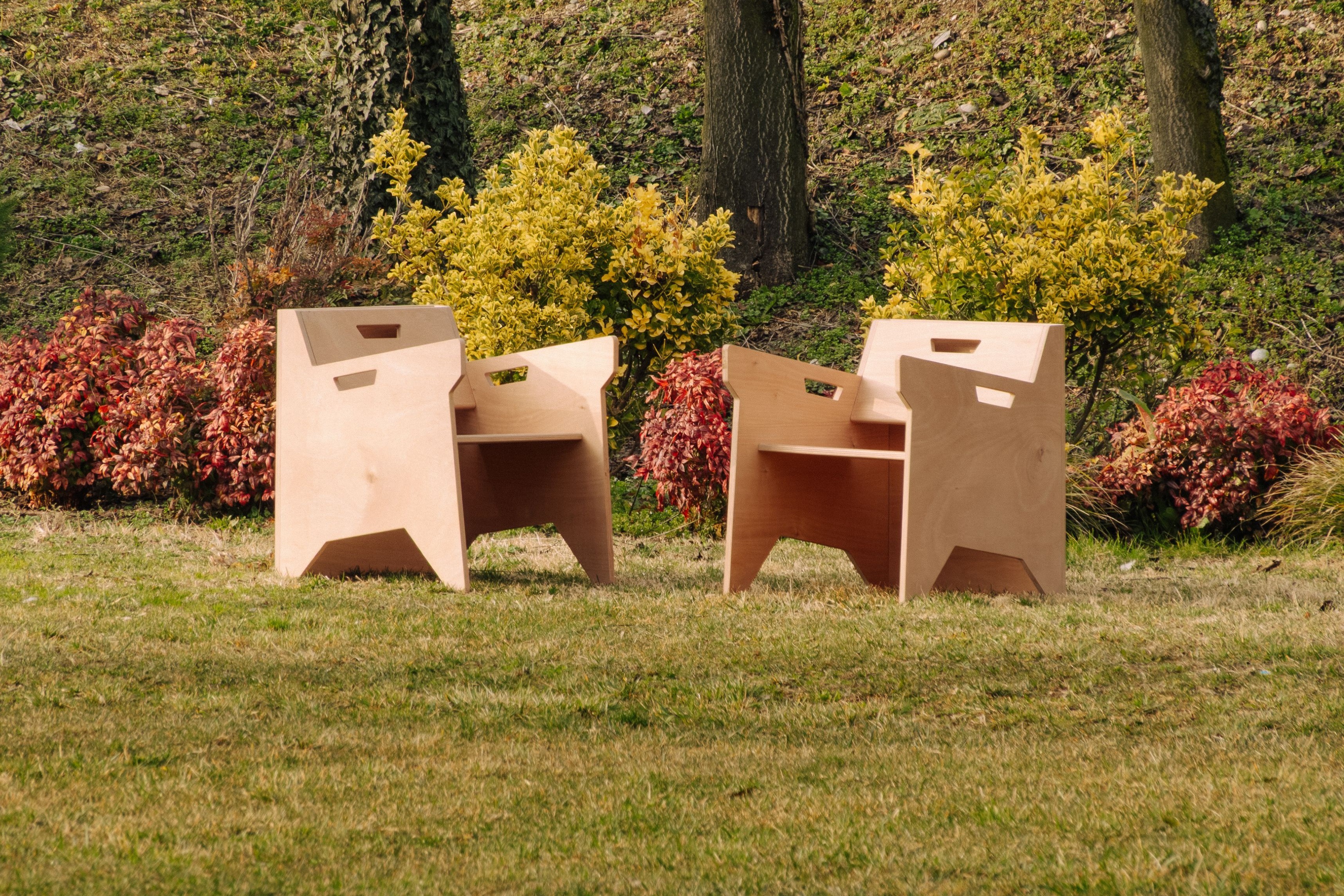
PROJECT LINEUP
Group of five people.
ROLE
Concept generation, development, prototyping.
BRIEF
Developing an outdoor furnishing element using wood.
NOTES
The project was developed as a group for the Wood Design course.
Concept Generation
Such a general brief allowed us to explore a wide range of possible approaches. Considering that the final output needed to be a 1:1 scale physical model, we opted for thoughtful simplicity, in order to produce a working prototype in the university lab.
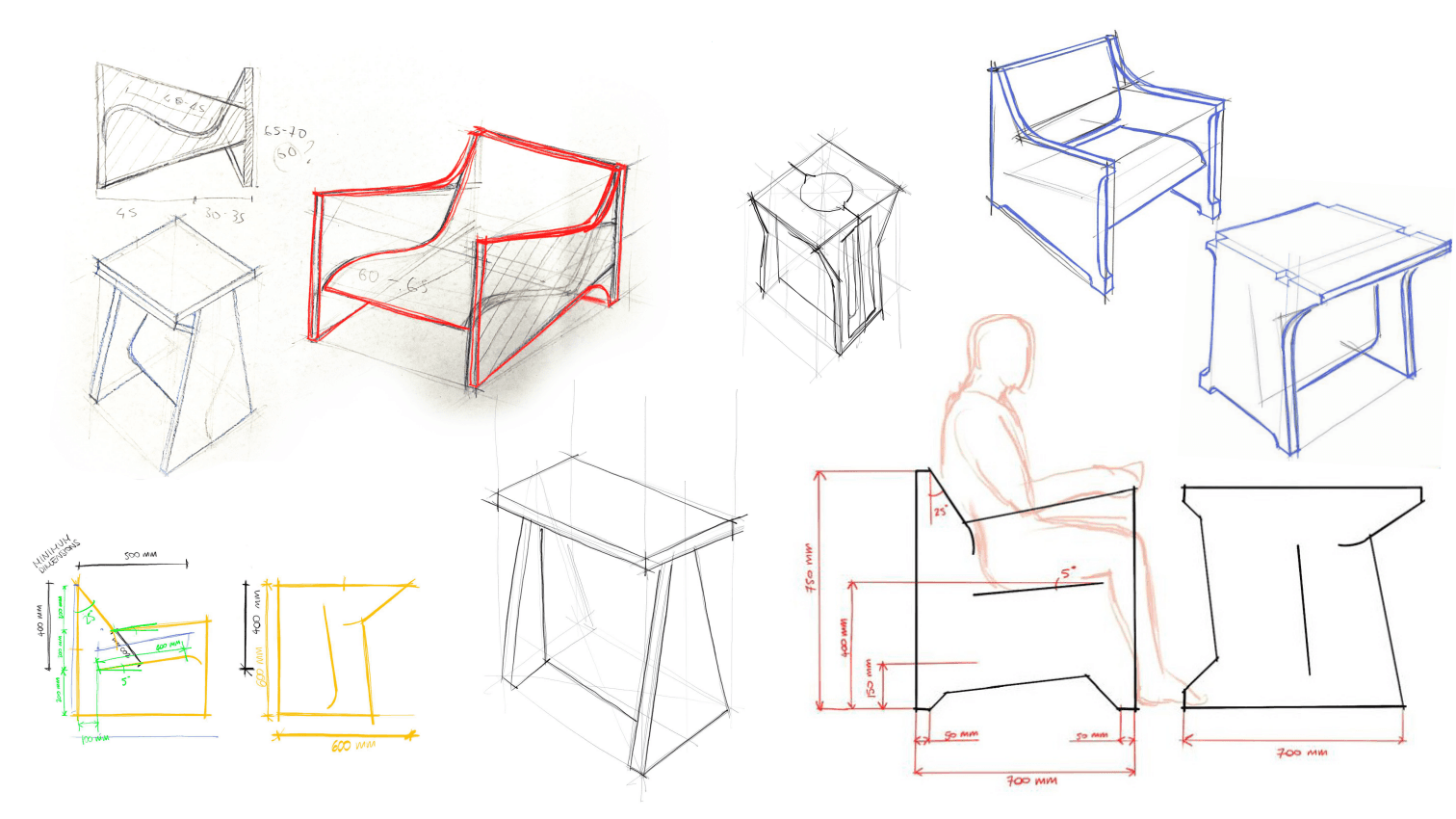
The main idea was to design a modular piece of furniture that alone could create an informal and convivial atmosphere in outdoor environments.
Development
Cardboard Models
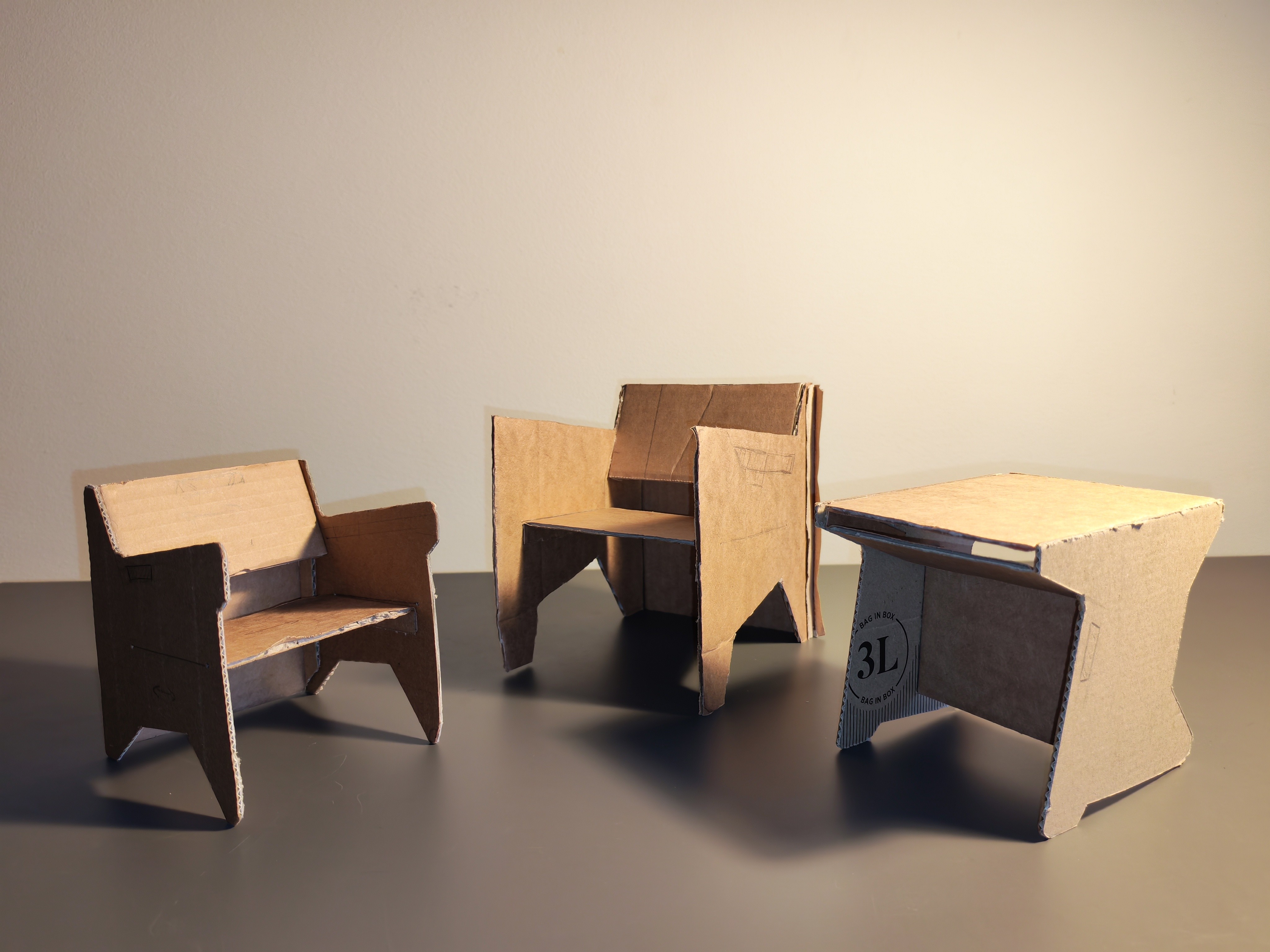
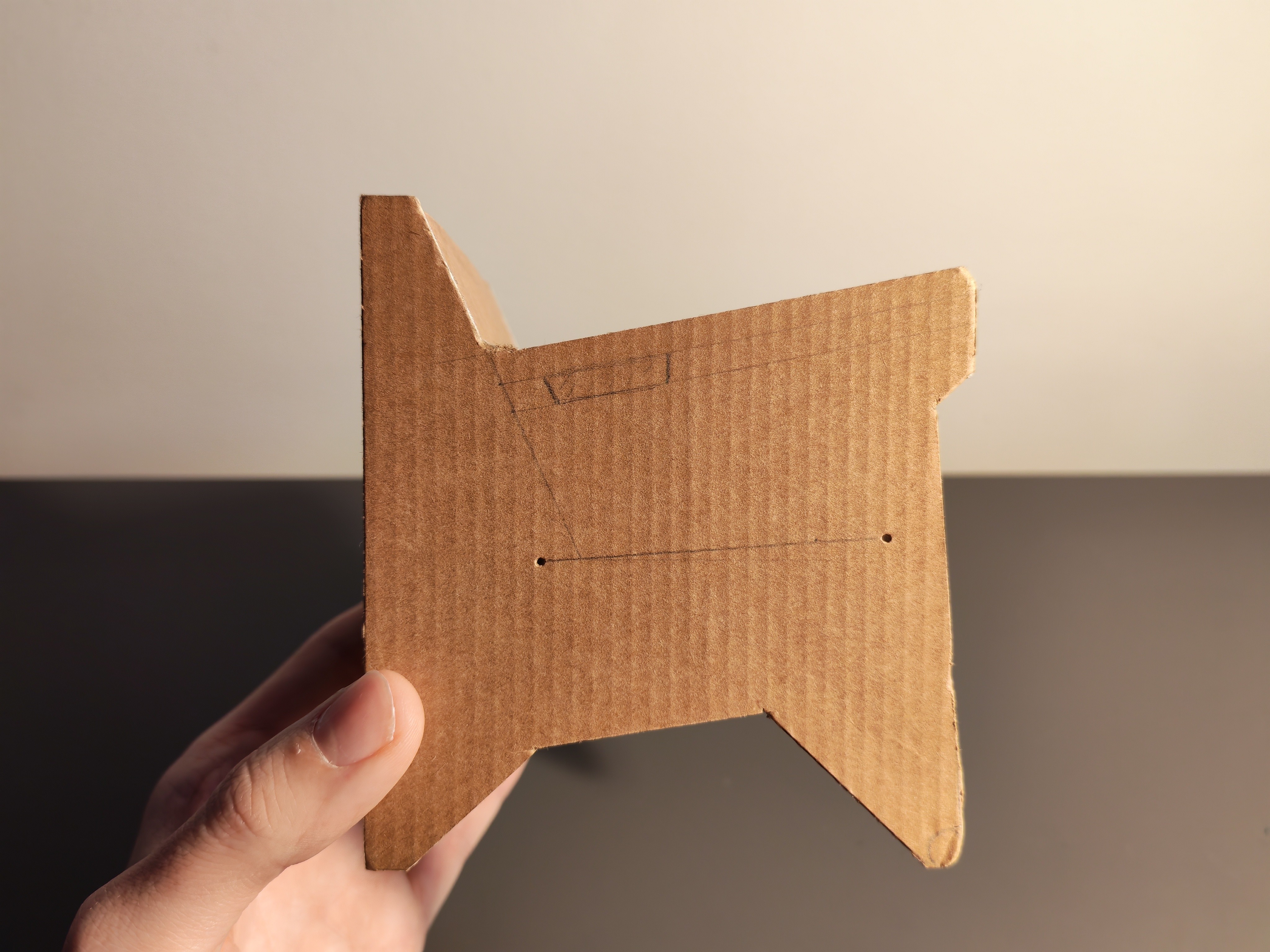
For the first models, we used cardboard: it was perfect for rapid prototyping and drawing any changes on it.
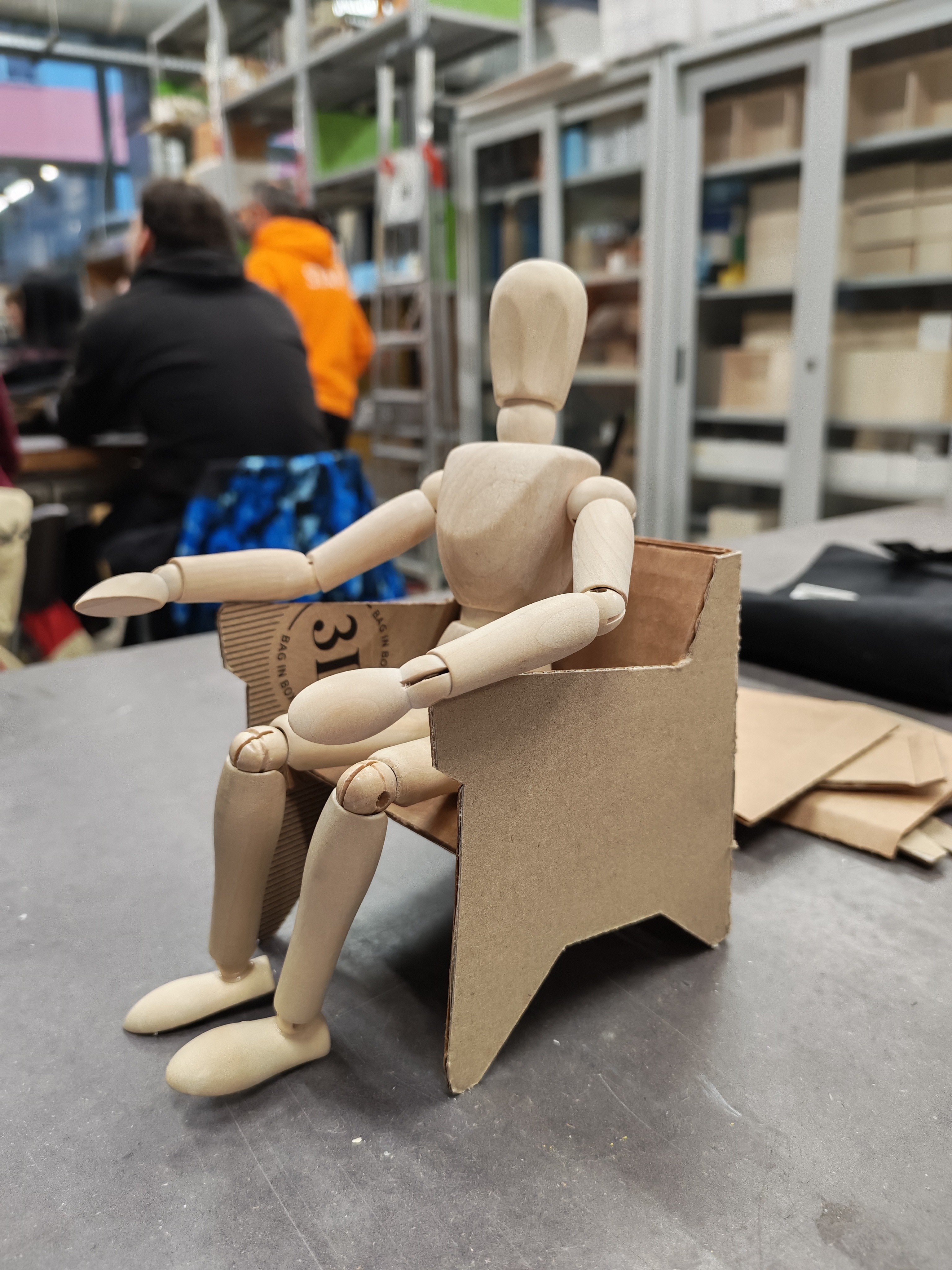
We even modified a small wooden mannequin for a better understanding of ergonomics and proportions.
Poliplat Model
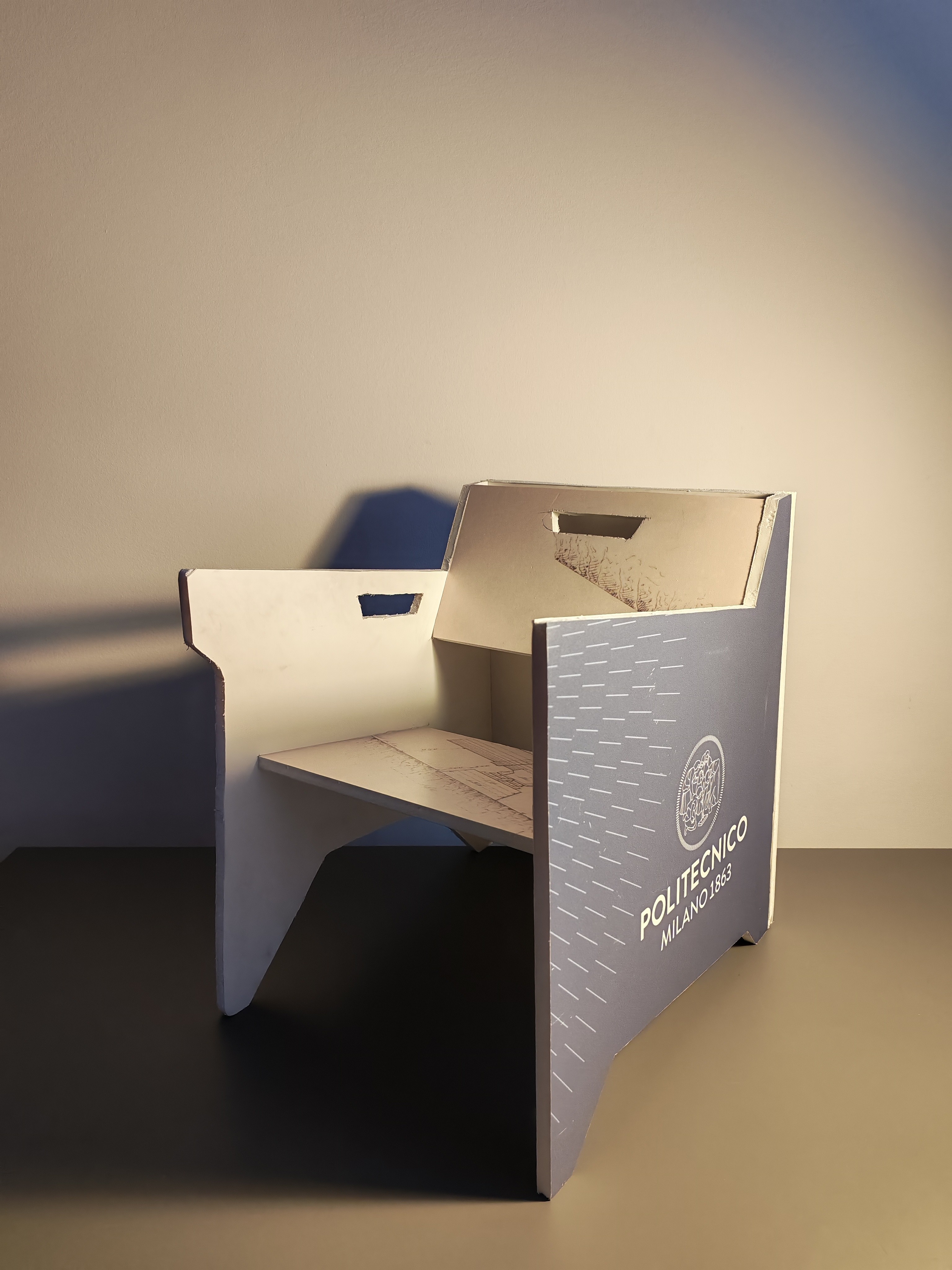
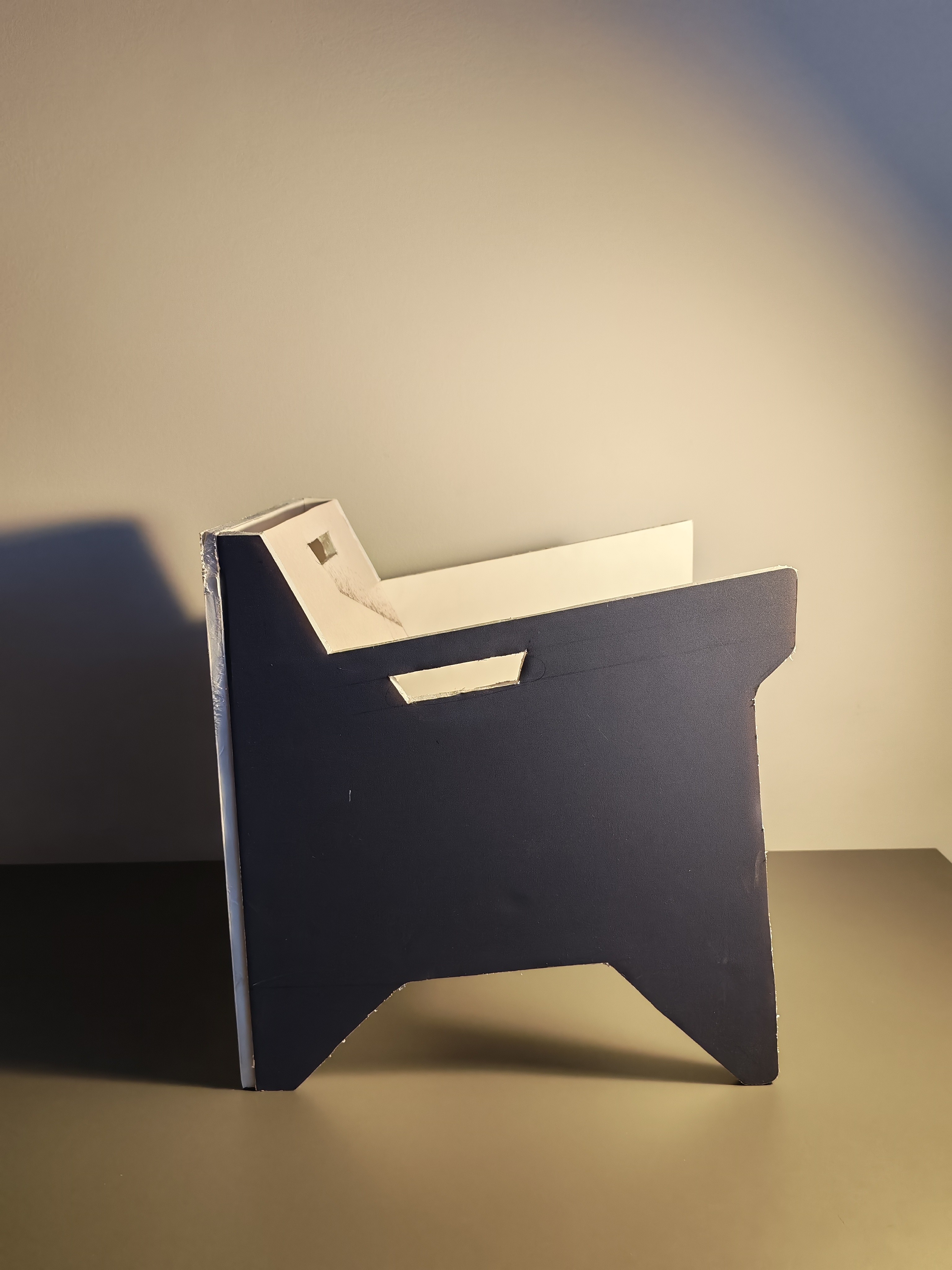
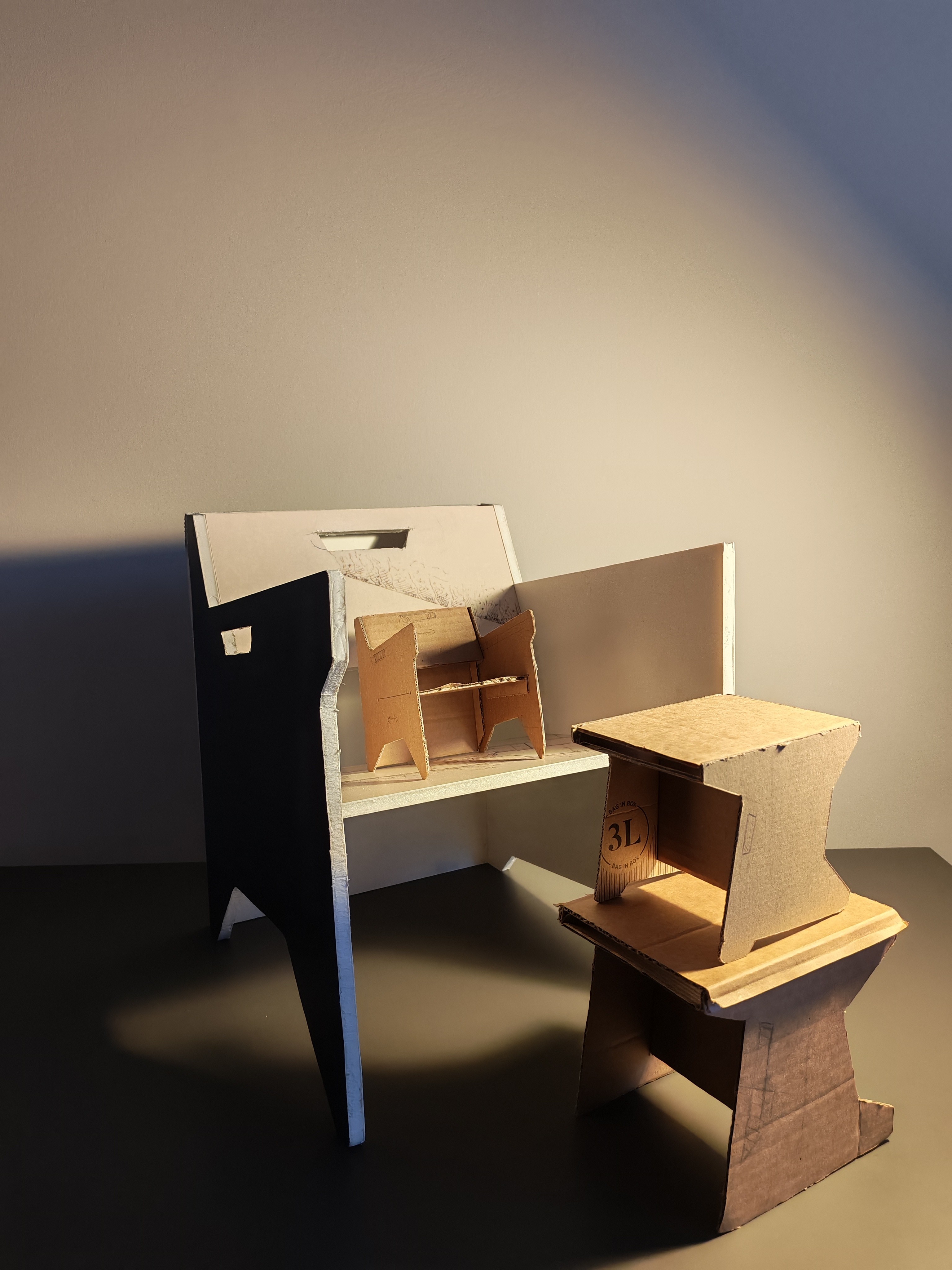
This model gave us the chance to shape Cholito's final form and solve the stability problems that the table initially had.
Technical Aspects
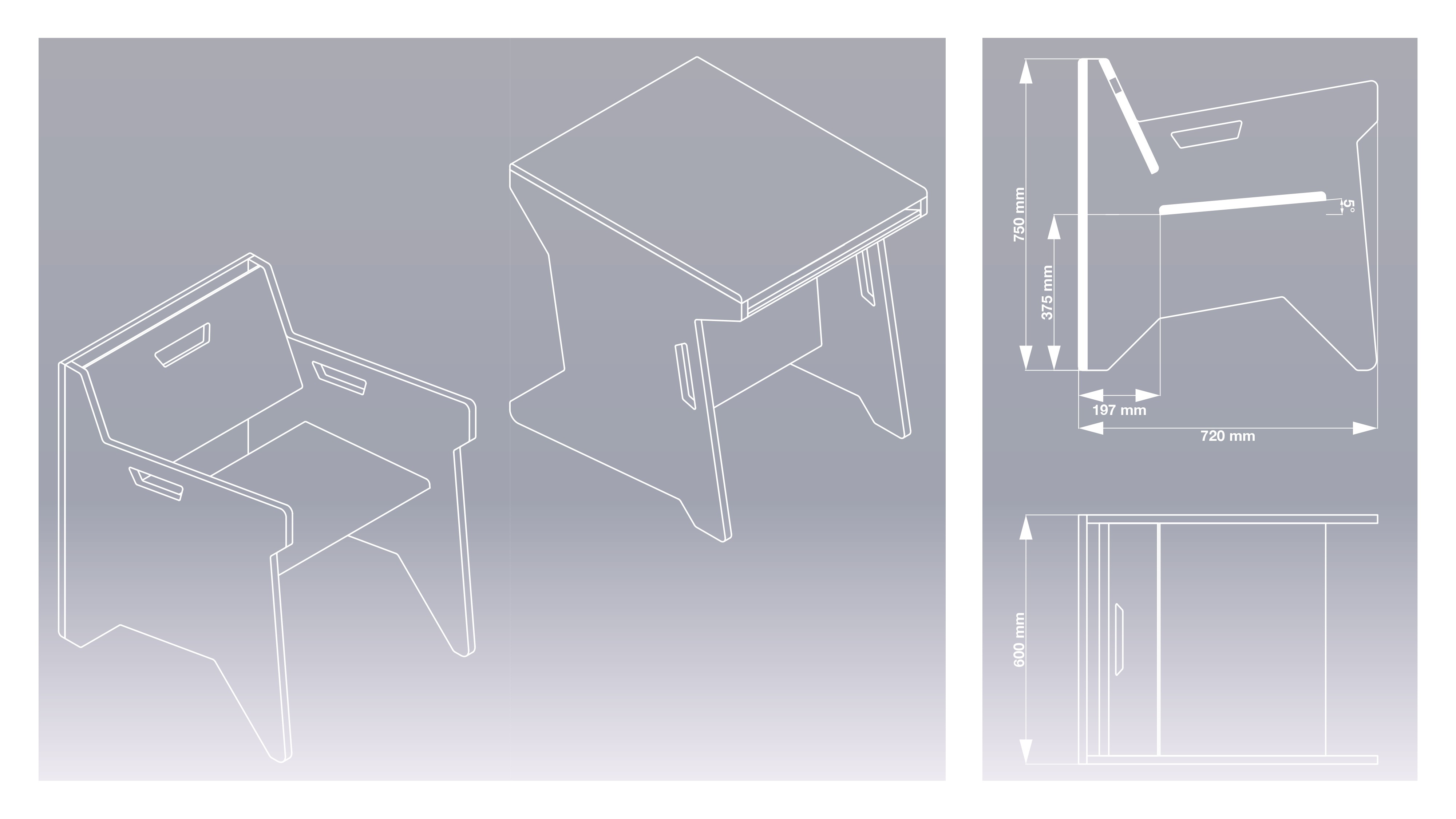
Thanks to the final technical drawings, we were able to:
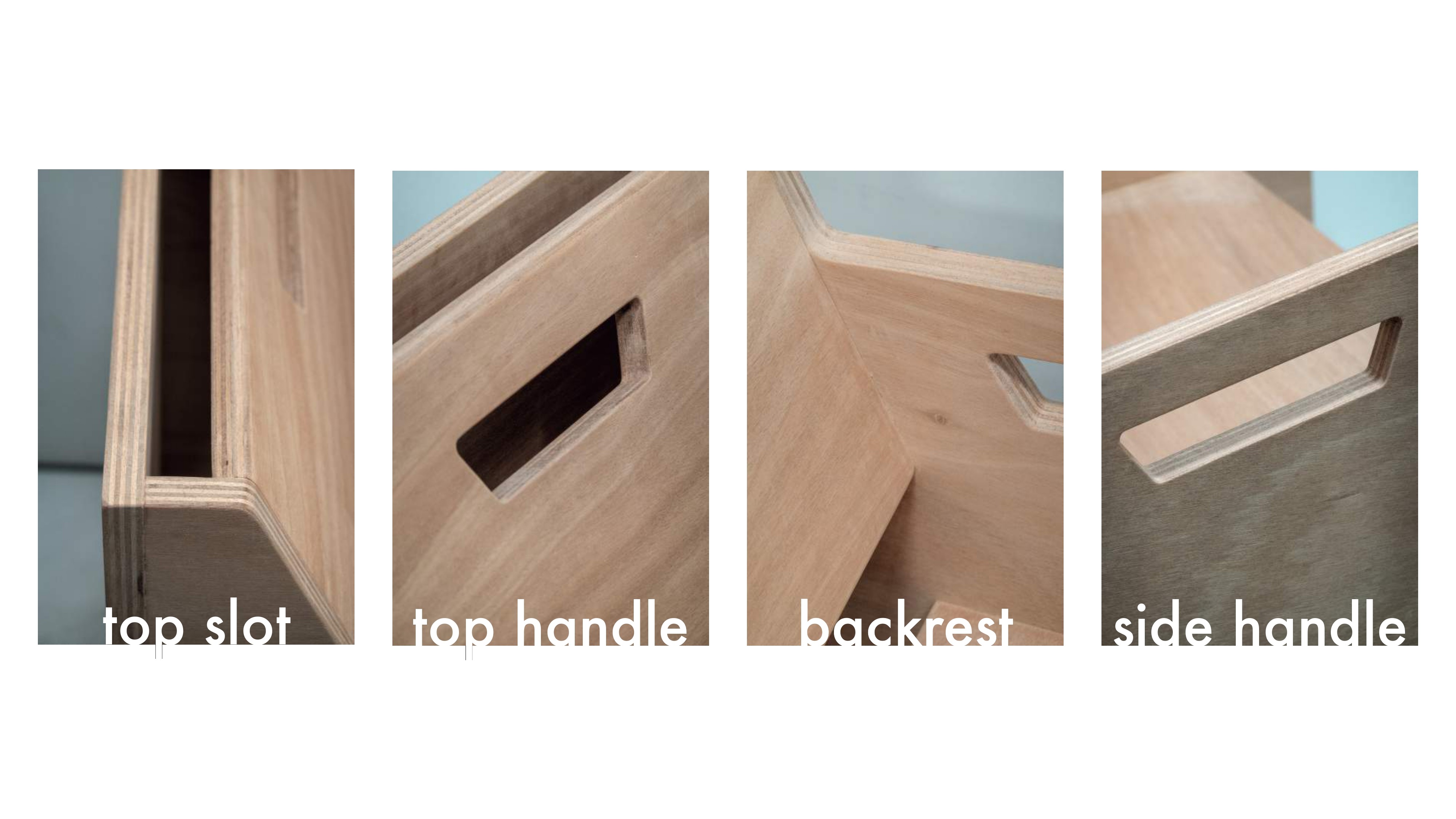
Produce the 1:1 prototypes: the DWG files were delivered to the teaching staff, who then shaped the pieces with a CNC milling machine starting from 20 mm thick Okumé wood panels. Two Cholitos were produced.
Consider logistics: given the limited number of pieces (five) and the panel shape of each, we designed a flat-pack solution. The user purchases the product and assembles it at home, fitting the pieces together using wedges and slots and eventually securing them with glue. No additional hardware is required.
Our logistic considerations aren't only pratical, but sustainable too. Cholito's flat-pack design ensures sustainability by meeting European PPWR regulations to avoid "transporting air". This compact packaging optimizes logistics, reducing the environmental footprint.
The choice to exclude hardware elements implies the non-necessity of an additional production chain, as well as single-materiality.
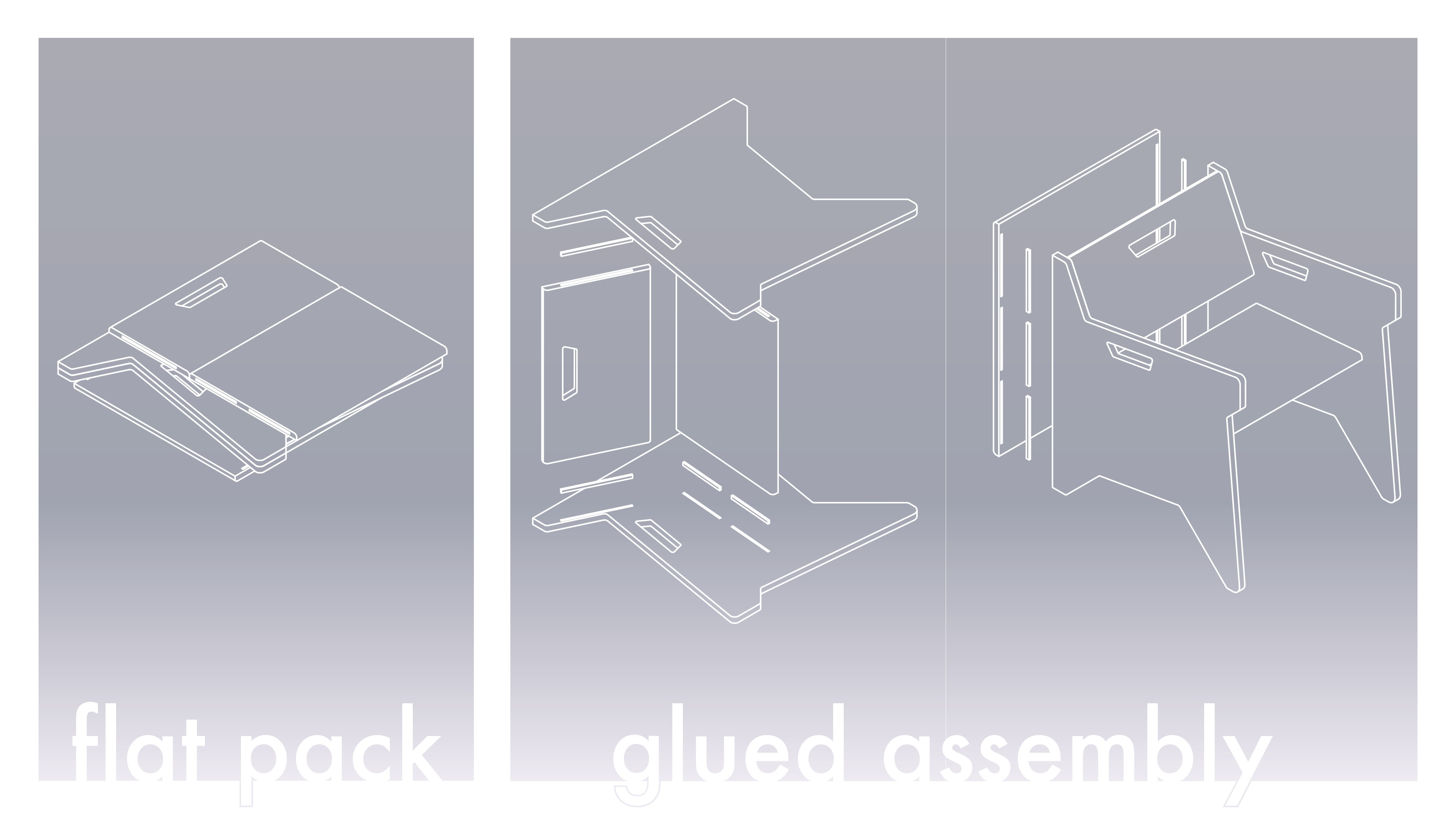
Physical Prototyping
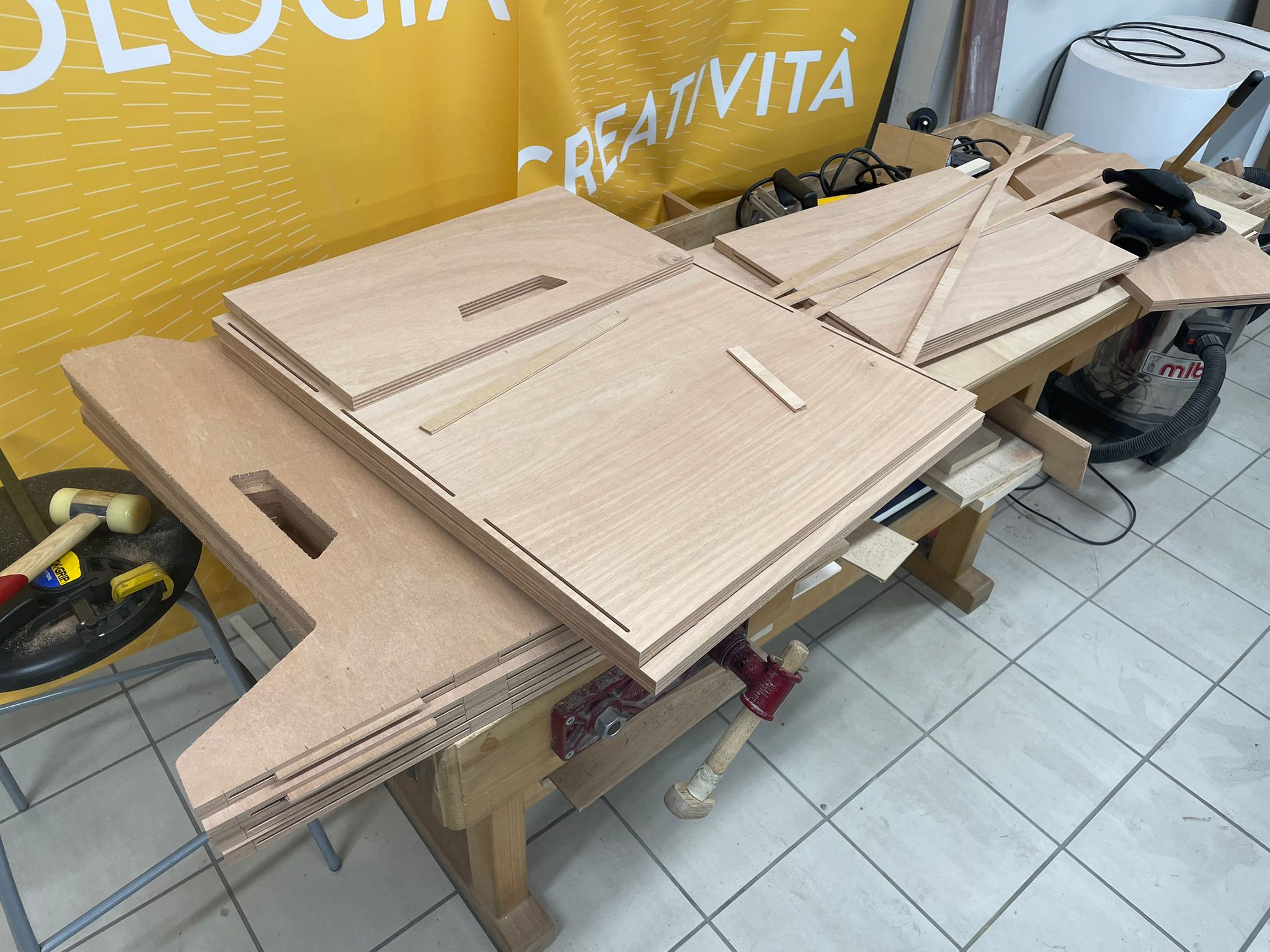
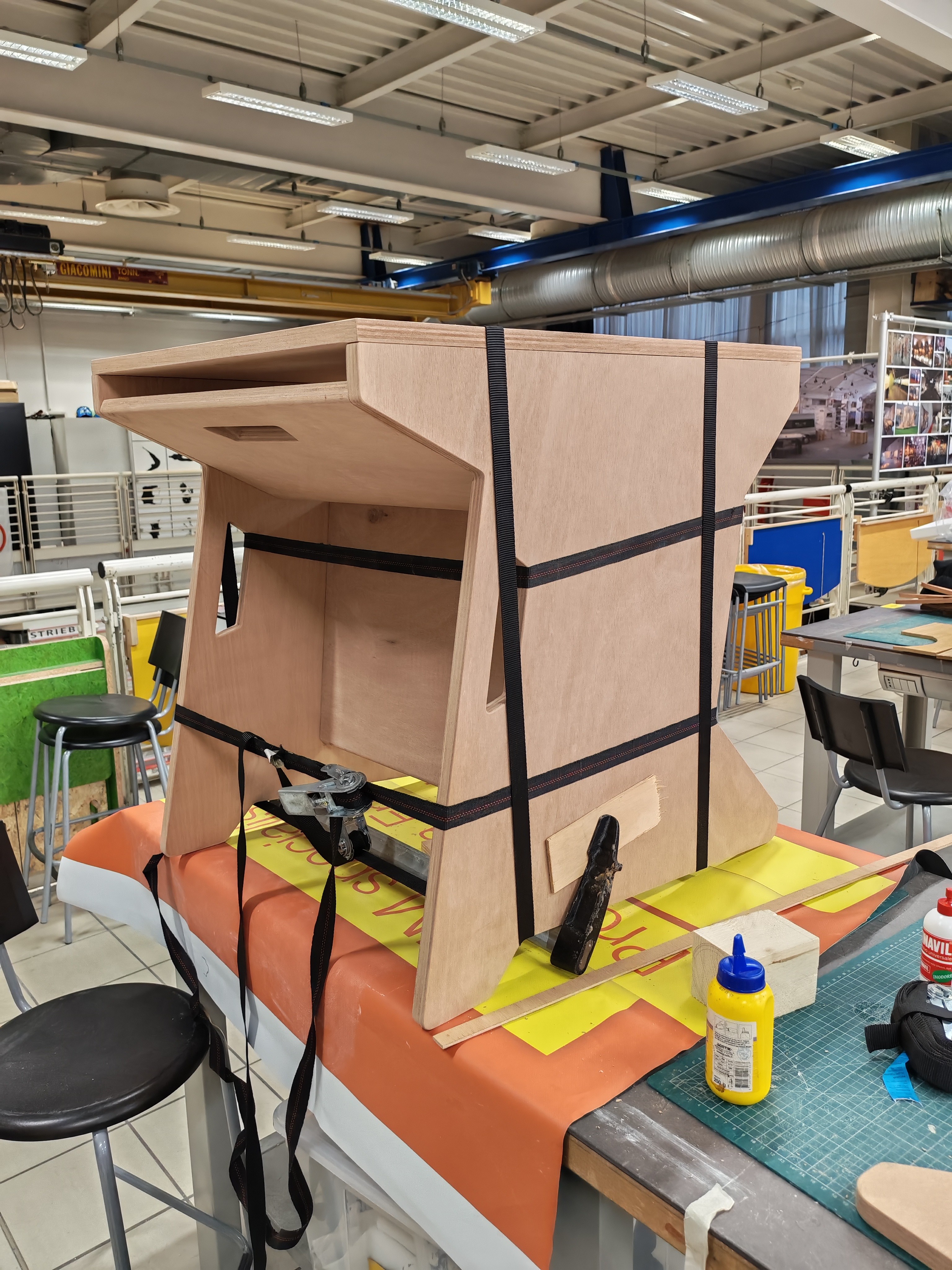
Once that the panels were milled, we proceeded with Cholito's assembly. Every piece was carefully sanded by hand on the edges and by using an orbital sander for the broader surfaces. The two prototypes were then assembled, glued and presented to the class during the exam.
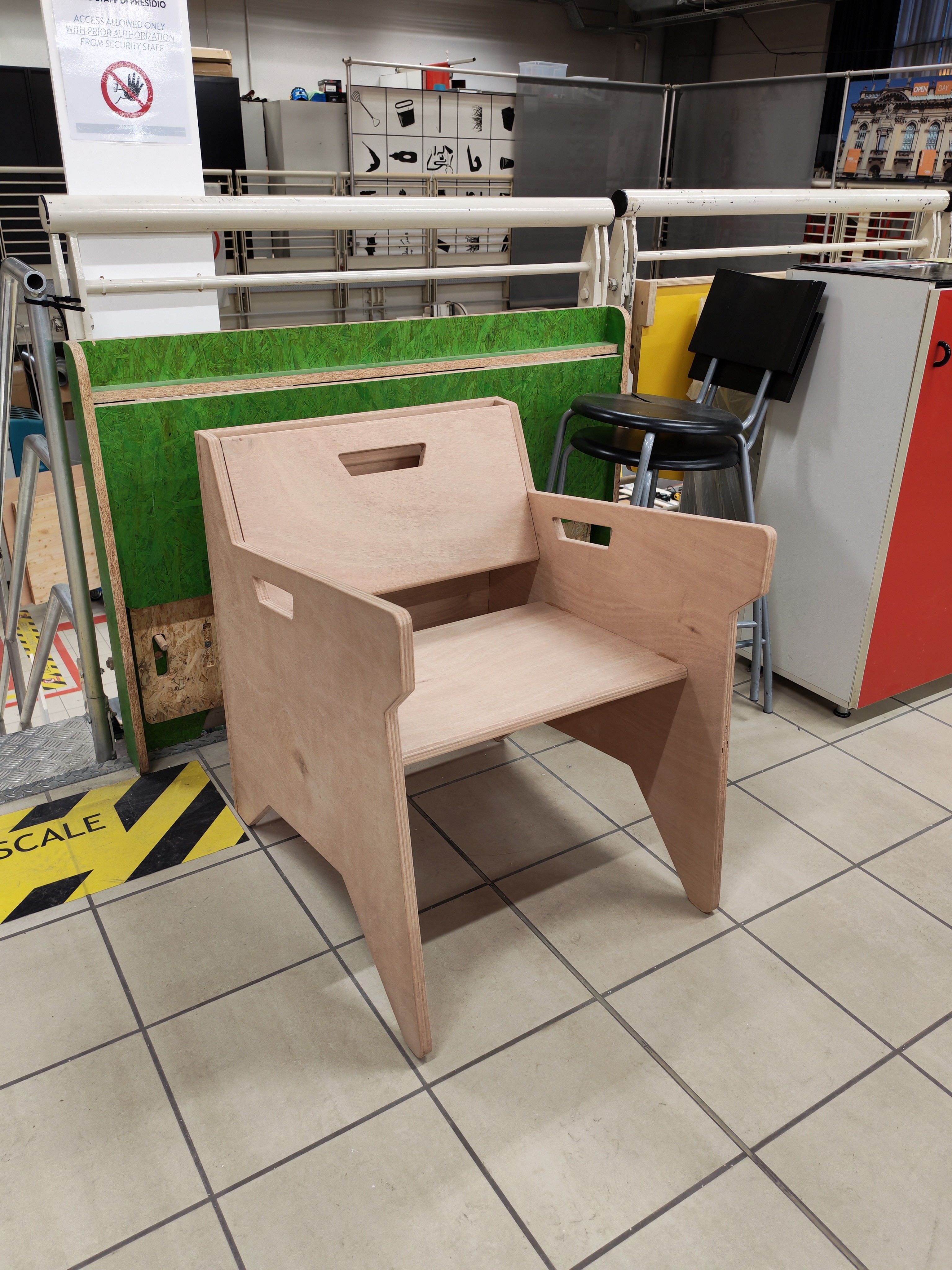
Final Output
Usage
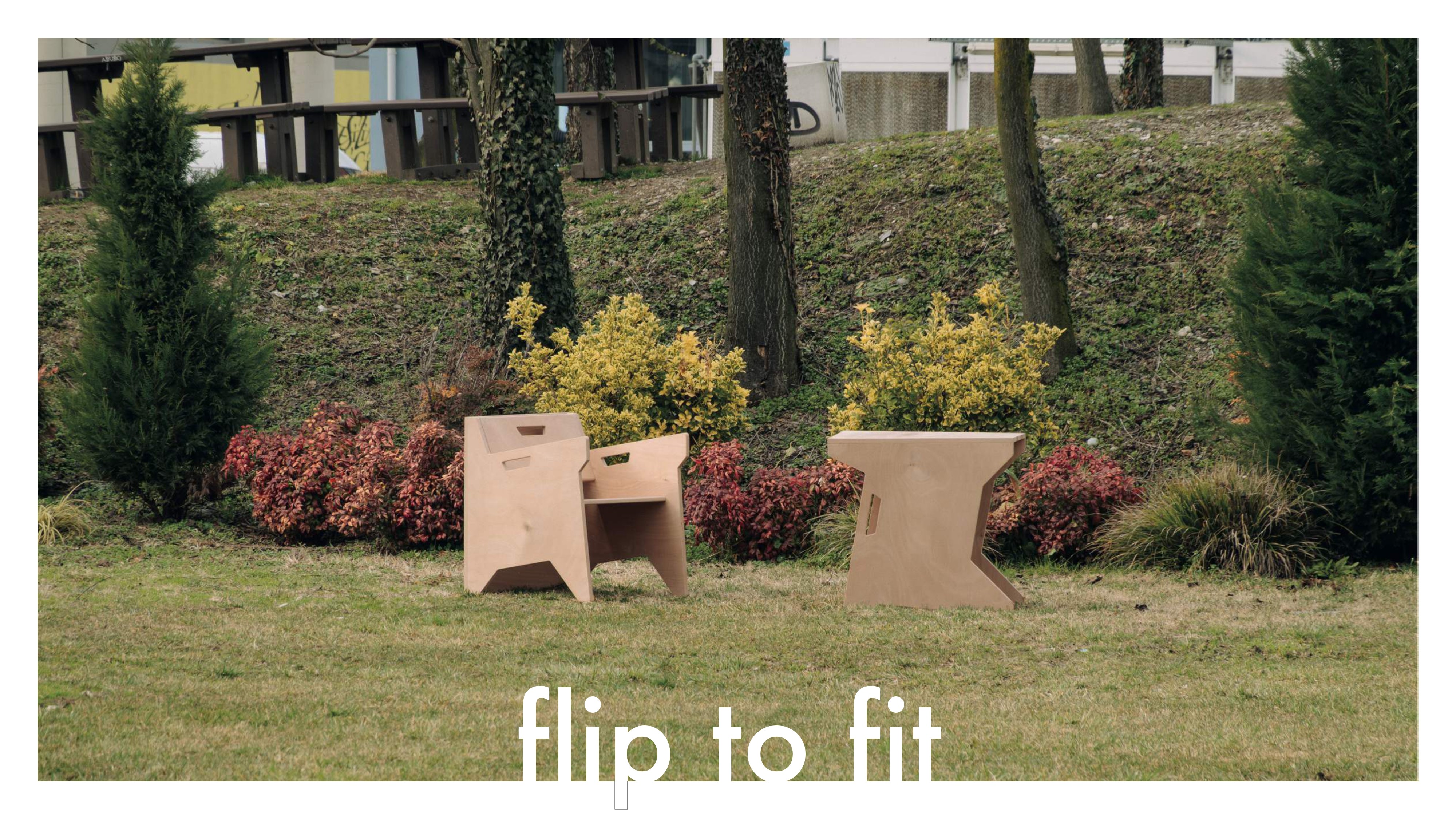
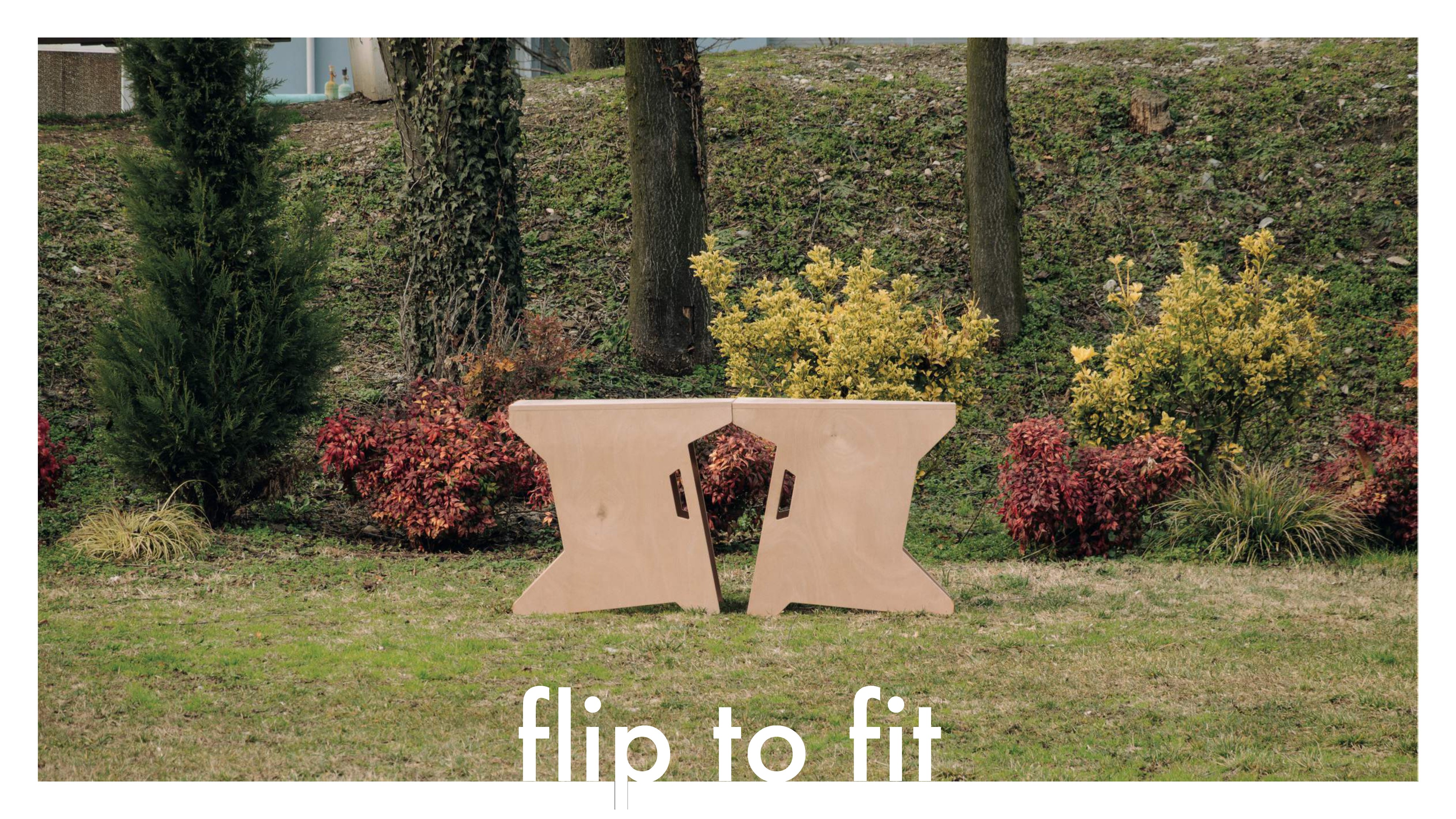
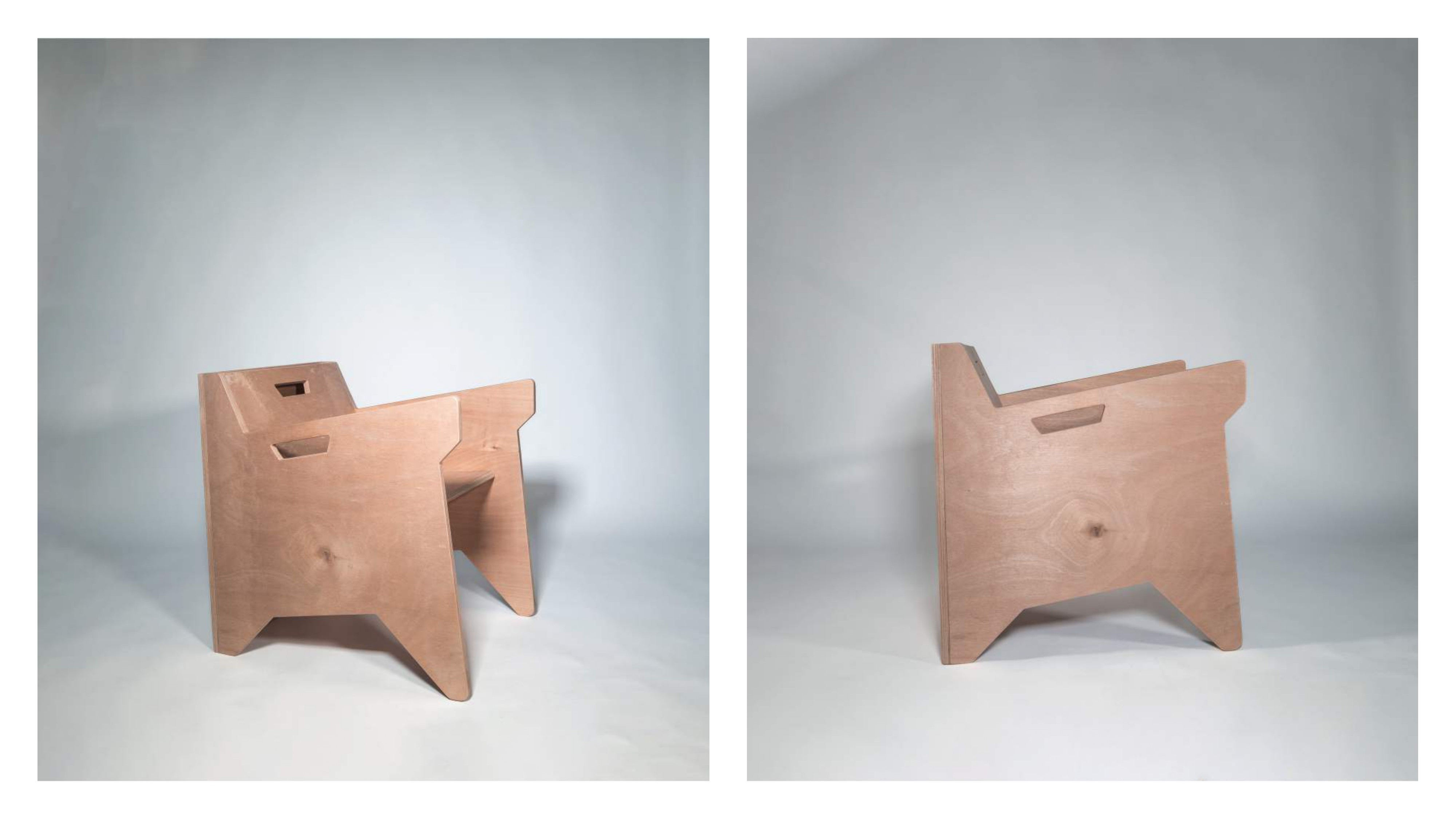
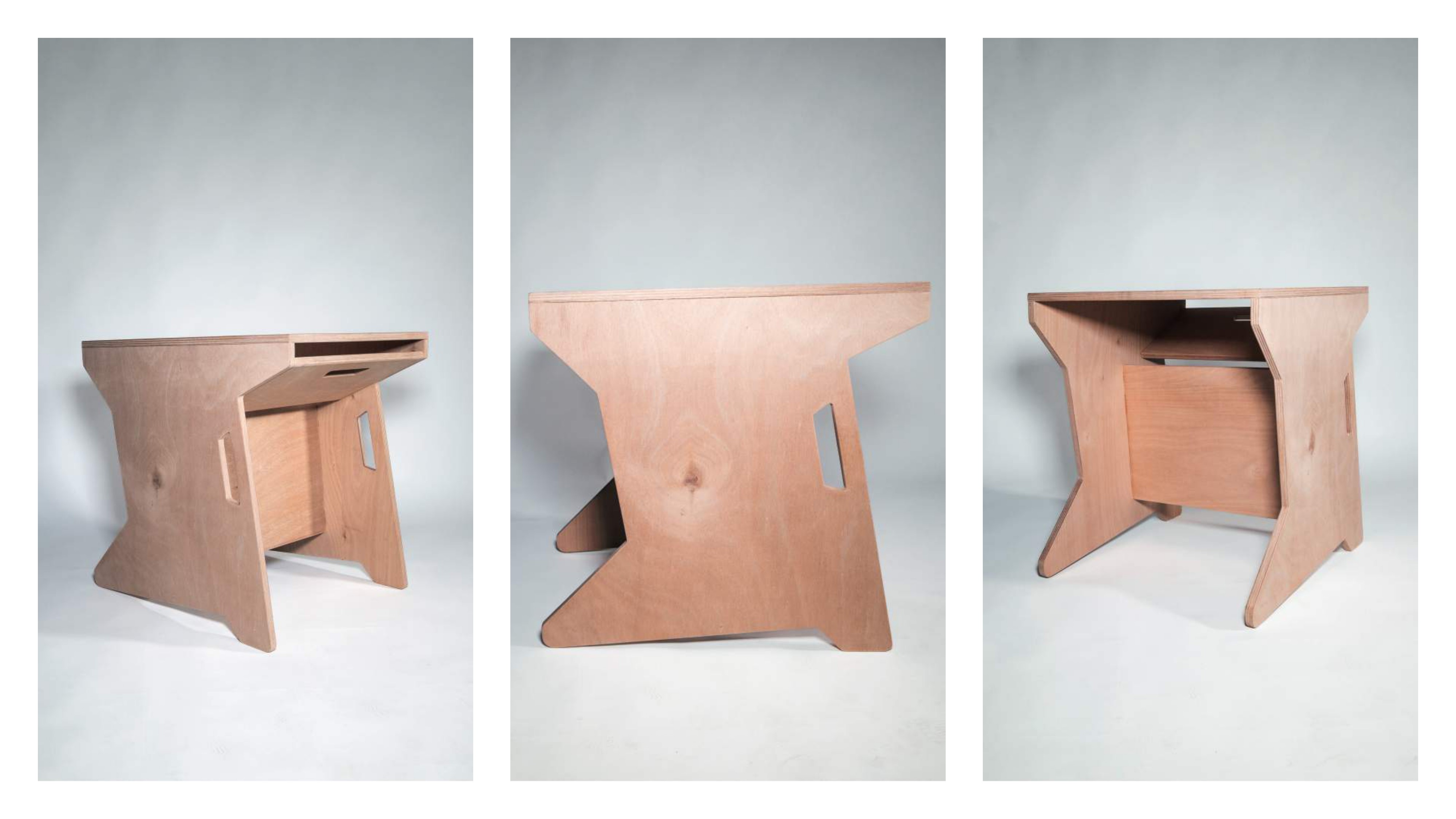
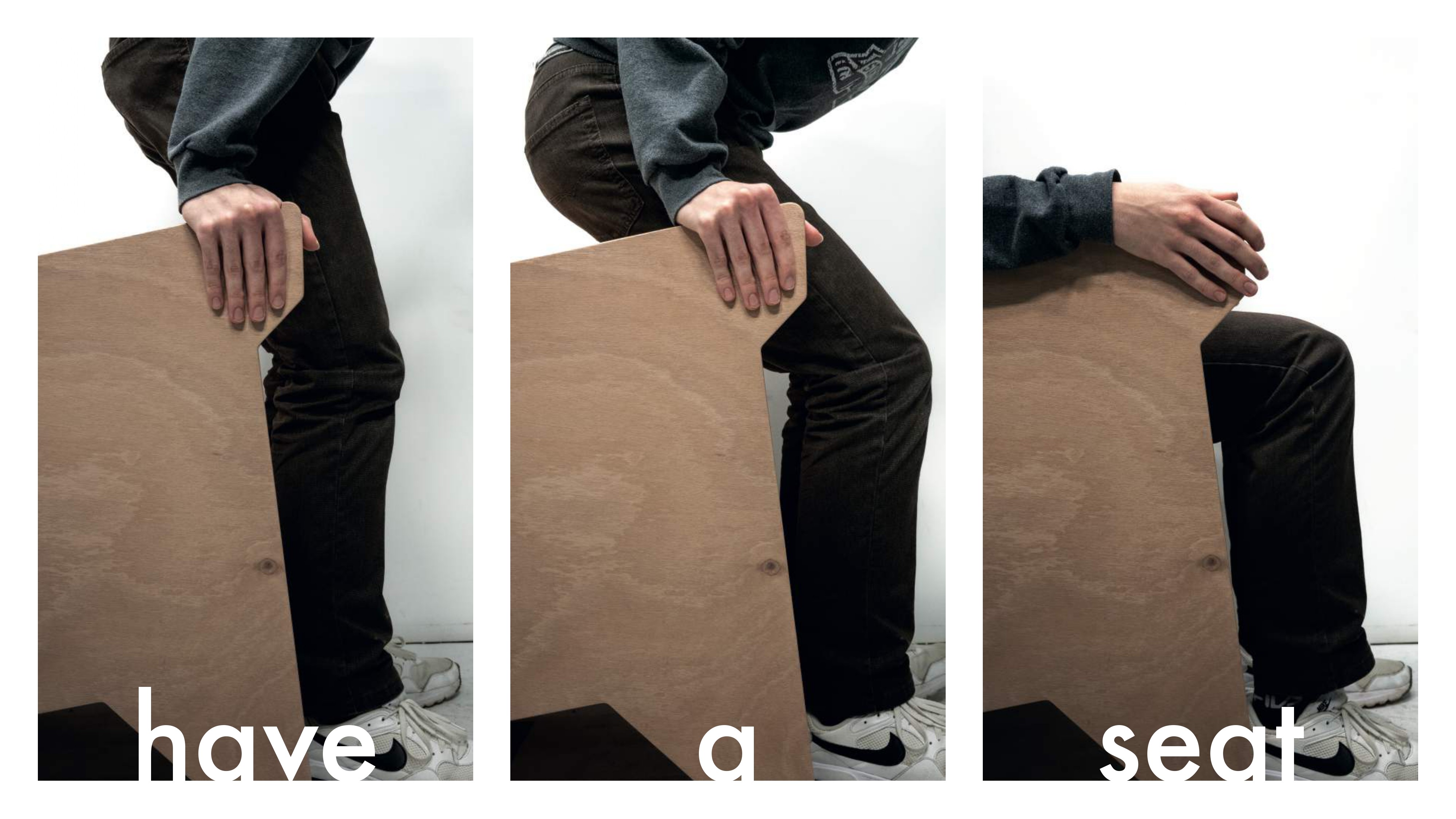
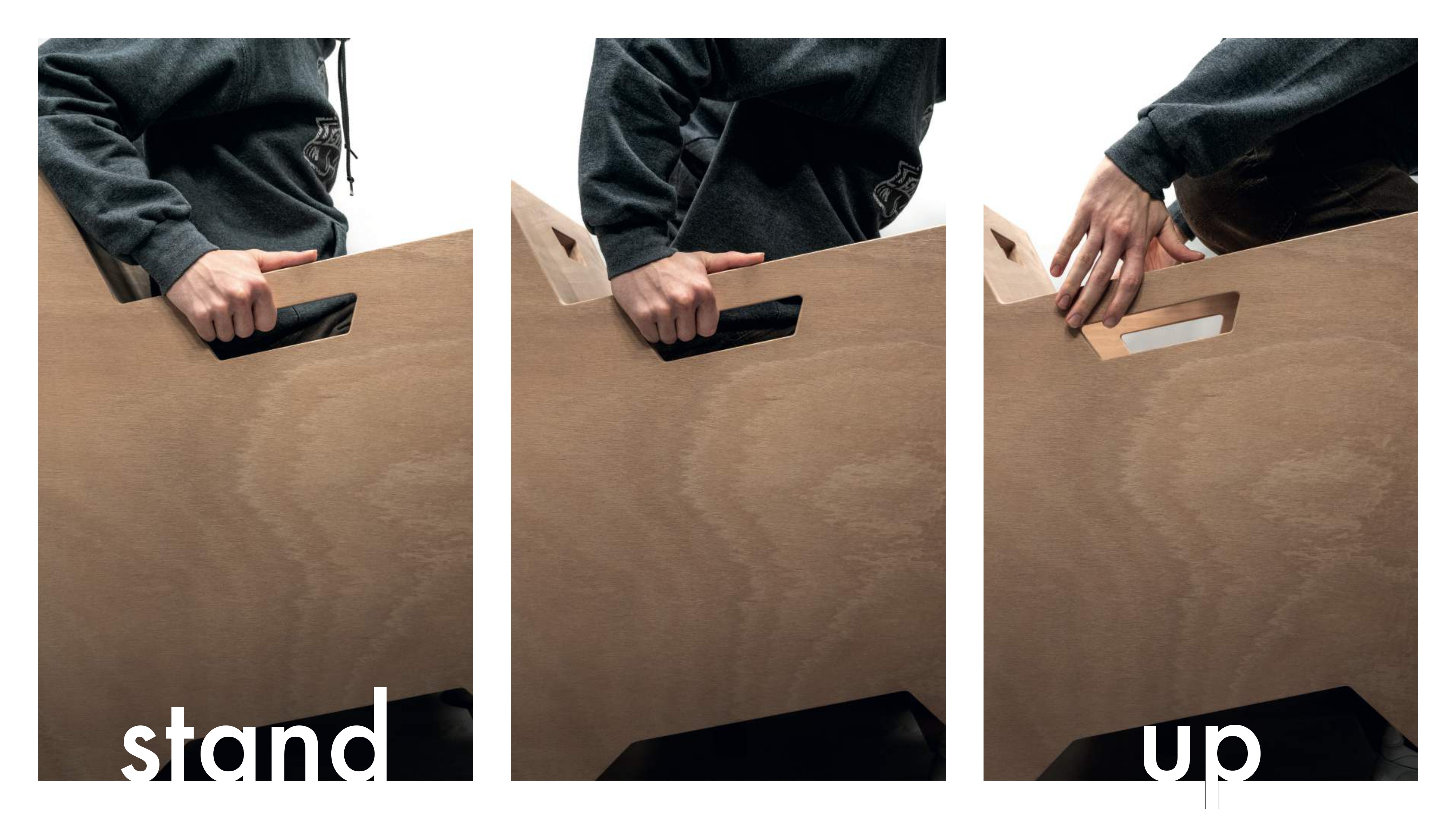
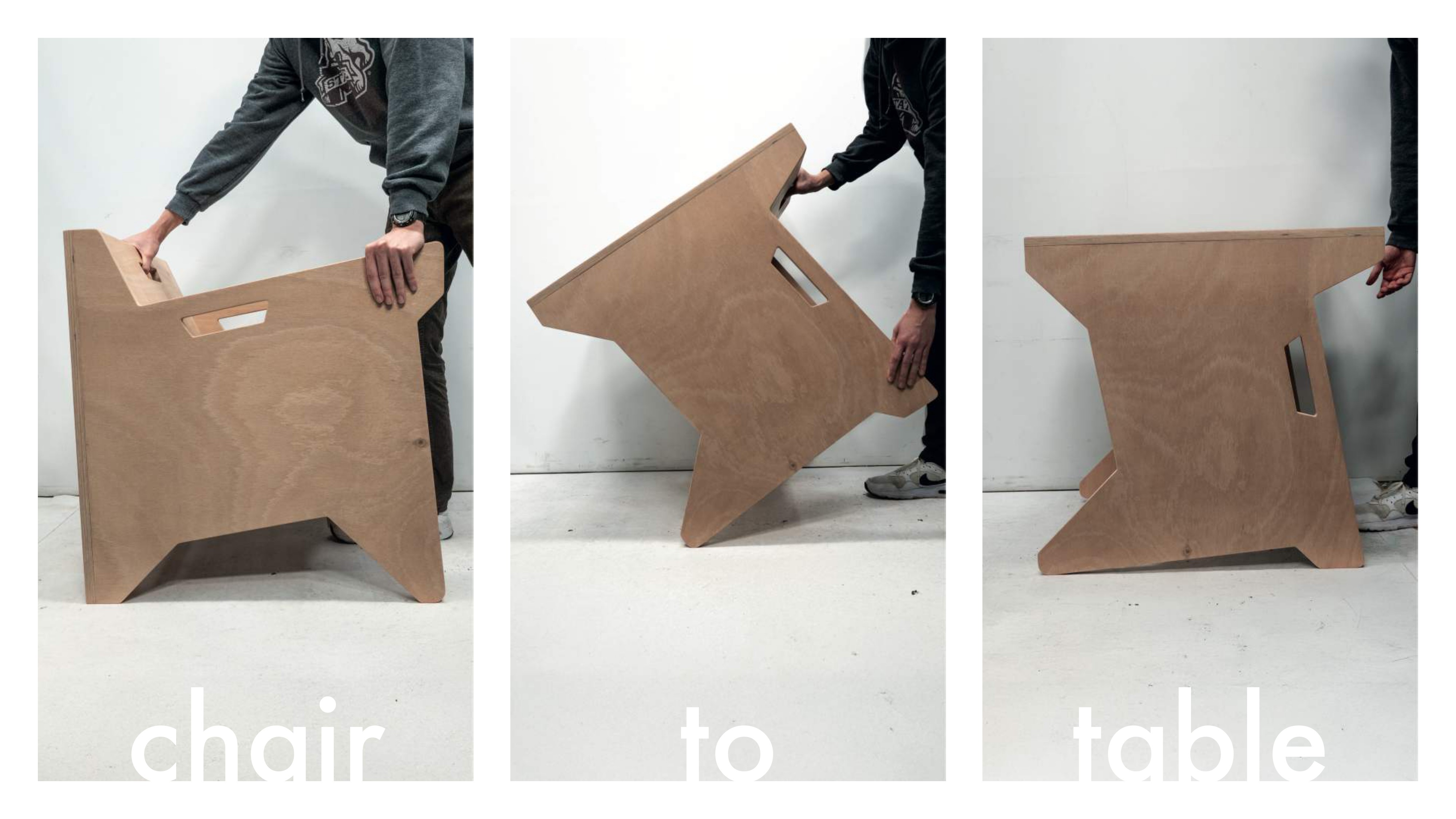
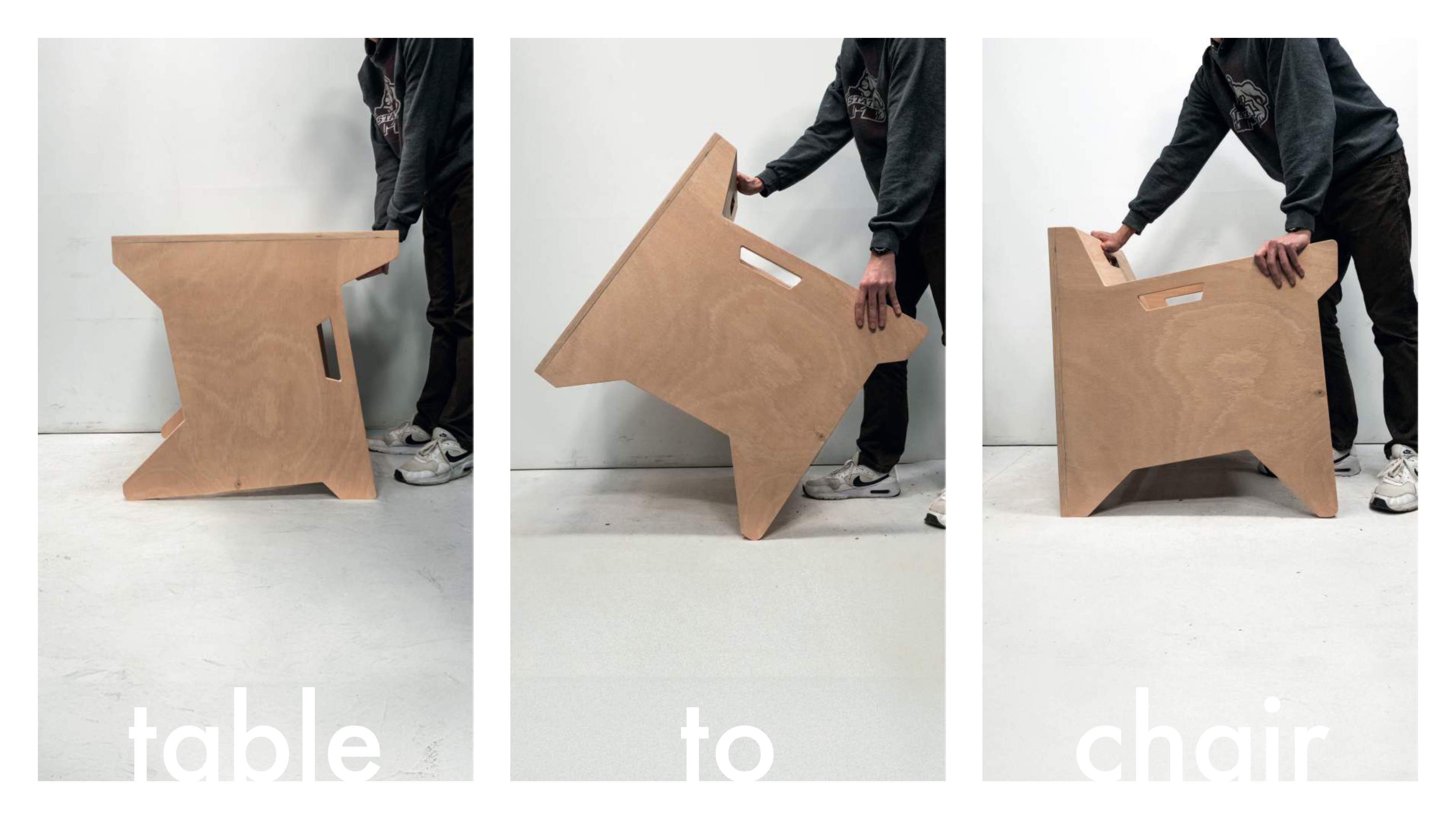
Photoshoot


After the Exam
The project wasn't finished. In the workshop, we coated the two Cholitos with wood oil and two of us took them home. I still use my Cholito an extension of the desk in my room in Milan, where it proves its versatility even indoors.